
Re-roofing in Lancaster: what the city requires
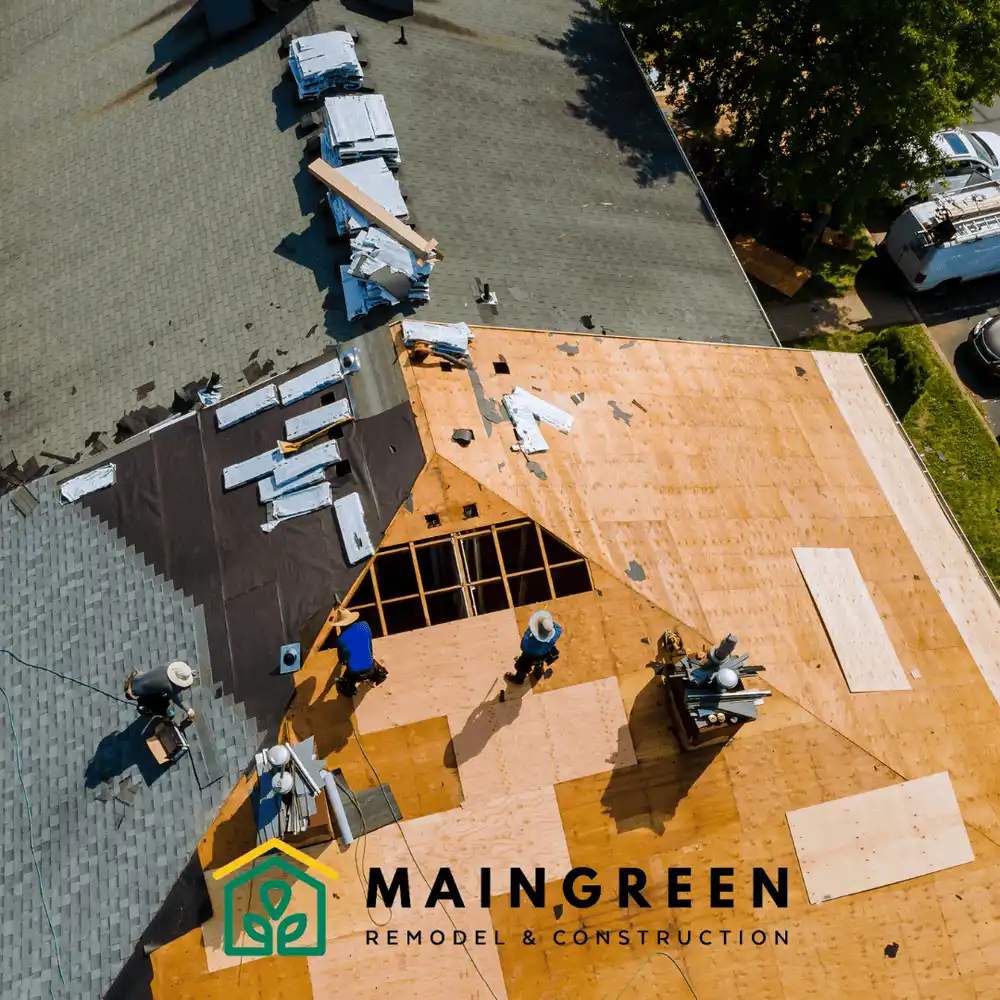
Replacing a roof in Lancaster takes a City of Lancaster building permit. Only a minor repair is exempt: the city defines it as no more than 10% of the roof or 100 square feet, whichever is less, within a 12-month period. The city's re-roof rules decide whether your old roof can stay under the new one, and how the job is filed and inspected:
One old layer, at most
A new roof can go over only one existing layer. If the house already has two or more layers, all of them must be removed before re-roofing.
No wood shake or wood shingle
Wood shake and wood shingle roofs are not allowed in the City of Lancaster, so an old shake roof is replaced with a different material.
Inspections up on the roof
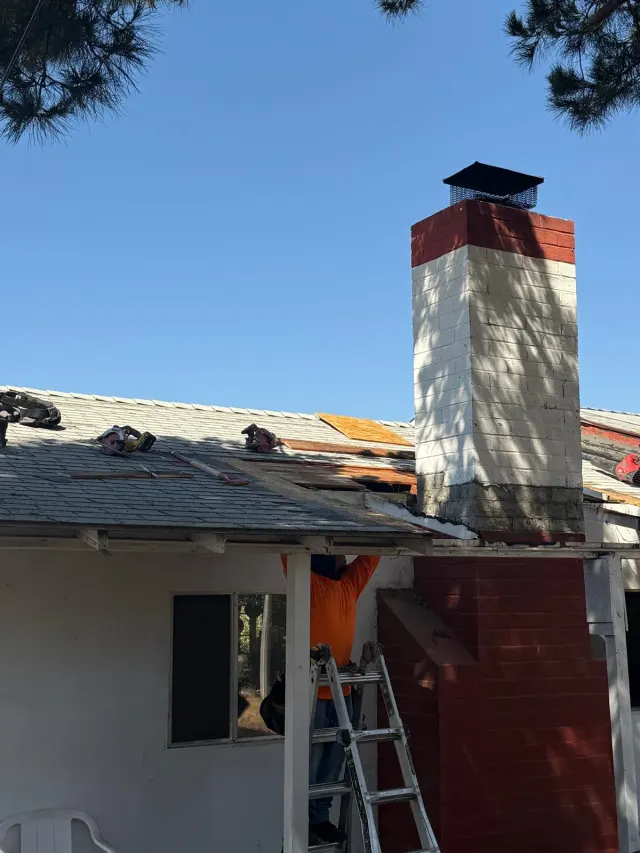
A city inspector checks the roof sheathing and does a pre-roof visual inspection before the new roofing goes on. A ladder has to be provided, the work stays exposed until it is approved, and photos or videos are not accepted in place of the visit.
Permits filed online
Since September 1, 2025, residential re-roof permits are submitted through the city's Symbium system, which issues qualifying permits automatically. Structural calculations are needed only when the roof structure changes.
The city issues the permit only to an owner who lives in the house or to a licensed contractor, and a contractor must have a City of Lancaster business license and, where it applies, a workers' compensation certificate on file.
These rules also shape the price of a Lancaster re-roof: a second layer that has to come off, a shake roof that has to change material, structural work that needs calculations and, when more than half the roof is replaced, roofing that meets the energy code's reflectance levels (see the climate zone 14 rules below). We apply for all the permits your home improvement project requires well before construction.
Source: City of Lancaster Building and Safety, Permits, Inspections and Permitting FAQs.


What the Antelope Valley climate does to a Lancaster roof
A Lancaster roof works in a high-desert climate: much hotter summer days, freezing winter nights and steady spring wind, with less than half the rain of downtown Los Angeles (about 6.8 inches a year against about 14.3). NOAA's 1991 to 2020 climate normals for William J. Fox Airfield in Lancaster put numbers on it:
About 109 days
a year reach 90°F or more, and about 36 of them reach 100°F. Downtown Los Angeles averages about 26 days at 90°F or more.
About 68 nights
a year drop to 32°F or below, against none on average downtown. The December to February average low is about 32°F.
About 30°F
is the average swing between the night low and the afternoon high: a heat-and-cool cycle that roofing, flashing and sealant go through every day.
Near 20 mph
is the average hourly wind on April to June afternoons, mostly from the west and southwest; the year-round average is about 11 mph.
NOAA's Palmdale Airport station records much the same: about 113 days a year at 90°F or more and about 54 nights at or below freezing. After a windy stretch, look at the roof from the ground for lifted or missing shingles, cracked or slipped tiles and loose flashing at the edges and vents, and book a free roof inspection when something looks off.
Selected projects in Lancaster
Climate zone 14 and the re-roof energy rules
The California Energy Commission places Lancaster's ZIP codes (93534, 93535 and 93536) and Palmdale's in building climate zone 14; downtown Los Angeles ZIP codes such as 90012 are in zone 9. Under the 2025 Energy Code, when more than half of a roof in zone 14 is replaced:
Sloped roofs
the new roofing needs an aged solar reflectance of at least 0.20 and a thermal emittance of at least 0.75, or a Solar Reflectance Index of at least 16. Exceptions include ceilings with at least R-38 insulation, a qualifying attic radiant barrier, houses with no ducts in the attic (an exception that applies in zone 14), and roofs weighing at least 25 pounds per square foot.
Low-slope roofs
an aged solar reflectance of at least 0.63 and a thermal emittance of at least 0.75 (or an SRI of at least 75; added roof-deck insulation can stand in for part of the reflectance), plus R-14 continuous insulation unless the roof already meets one of the code's insulation exceptions.
The city's inspection notes add that, as a zone 14 city, Lancaster requires a moisture barrier on all exterior vertical walls and on ceilings below attics, checked at the insulation inspection. Roofing materials and repairs are covered in more depth on our roofing contractor page, and attic insulation on our insulation page.
Sources: NOAA National Centers for Environmental Information, U.S. Climate Normals 1991-2020 (Lancaster Wm J Fox Field, Palmdale Airport and Los Angeles Downtown USC stations); California Energy Commission, Building Climate Zones by ZIP code and 2025 Building Energy Efficiency Standards, Section 150.2(b)1I; City of Lancaster, Inspections.
What roofing customers say
Read the full review →“So happy with maingreen and matt doe great job with the roof repair ,re frame the roof and great team communication thanks so much matt and maingreen for a great job appreciate it”
Read the full review →“Matthew and the crew done great job amazing people ,fast quick ,fair done great roofing job for all house . Outstanding work great team ! Thank you so much maingreen team”
Read the full review →“Maingreen does great job new roof 2300 sqft shingles so happy 😊 great value for my property highly recommended,went out fast on the rain ☔ push the full roof fast 💪 matthew and the crew does great job !!!”