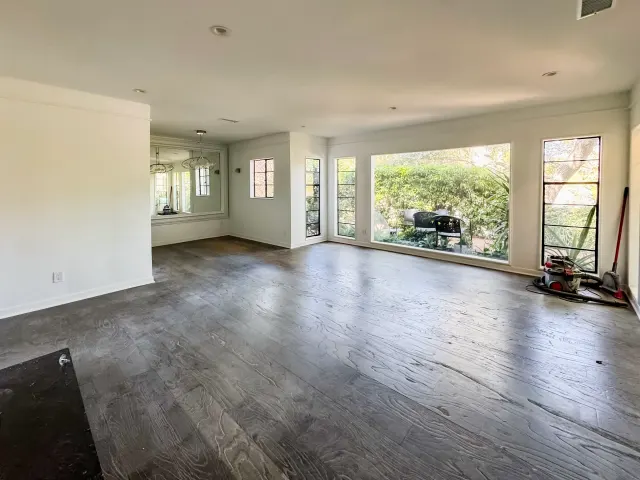
Home Remodeling in Los Angeles
Maingreen Remodel & Construction does home remodeling in Los Angeles: kitchens, bathrooms, flooring, windows and doors, insulation, HVAC and chimney repair, with 2D and 3D designs and a free estimate.
One licensed remodeling contractor for the whole job
A home remodel in Los Angeles rarely needs just one trade. Framing, plumbing, electrical, drywall, tile, flooring and finish work all have to happen in the right order, around the city's permits and inspections. As a licensed general contractor (License #1093329), Maingreen runs all of it under one contract, from the first visit and the 2D and 3D design through the final inspection.
Maingreen Remodel & Construction is licensed and insured. Pick a room or a system below to see what that job includes, or read on for how a home renovation in Los Angeles works, what sets the price and what to check before you sign with any contractor.
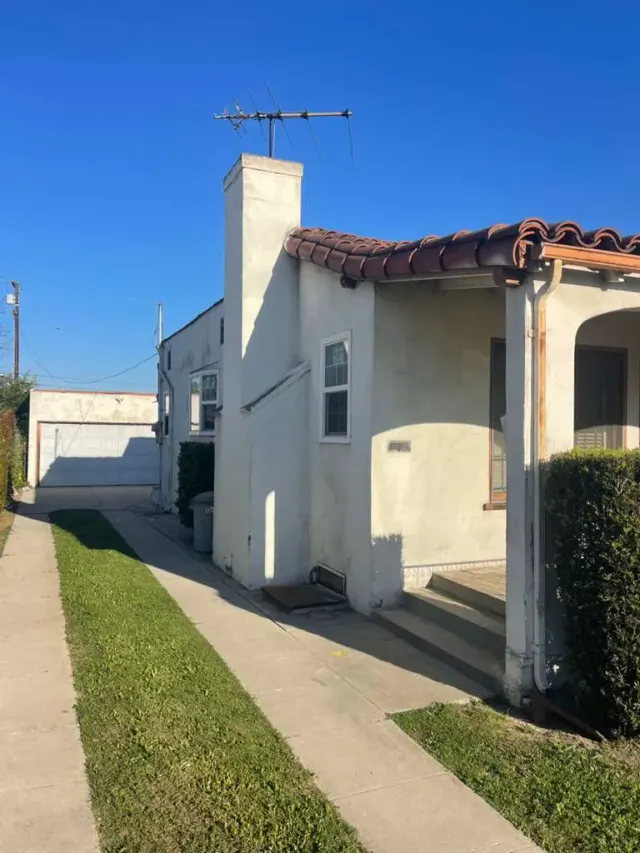


How a home remodel works with us
The same five steps apply to one bathroom or a whole-house renovation:
The home visit
Within 24-48 hours of your call, one of our team members will visit your home to scope out your space.
Design in 2D and 3D
You see the new layout as 2D and 3D renderings and adjust it until it is right. We never start construction until you approve of the design.
The contract
California law requires a written contract for every home improvement project over $500, spelling out the work, the materials, the payment schedule, who gets the permits and the completion date.
Permits
We apply for all the permits your home improvement project requires well before construction.
Construction and inspections
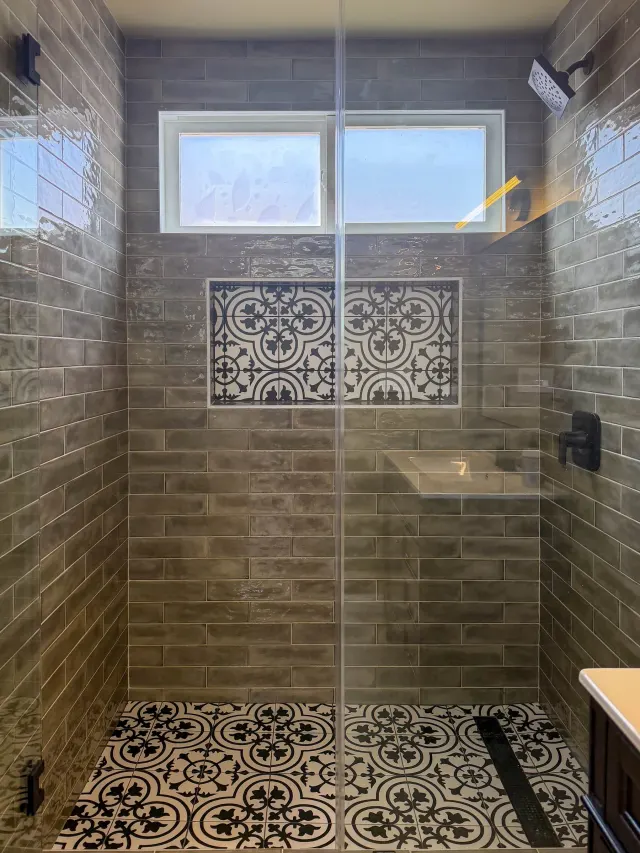
Demolition, then rough plumbing and electrical, then insulation and drywall once the city has inspected what goes inside the walls, then tile, cabinets, floors, fixtures and paint.
Permits and inspections for a Los Angeles remodel
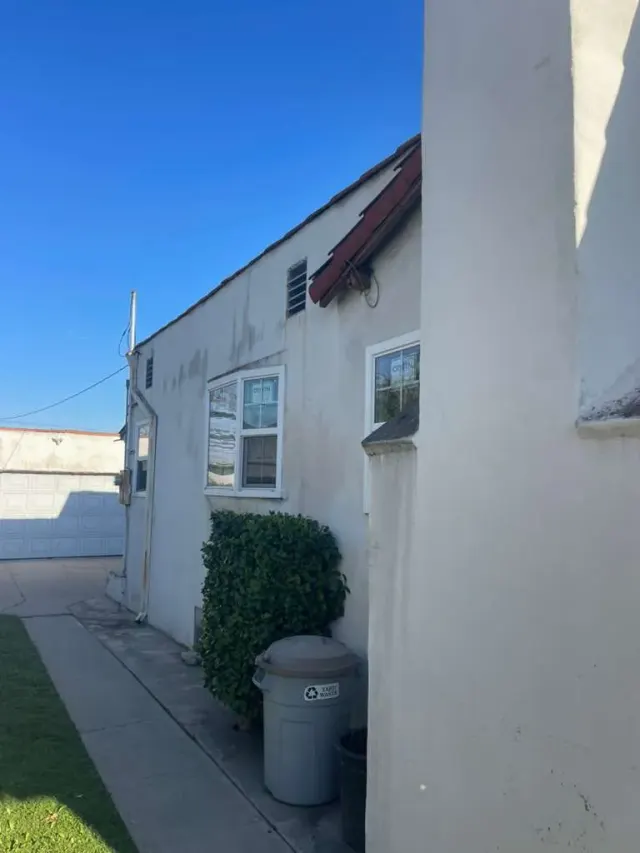
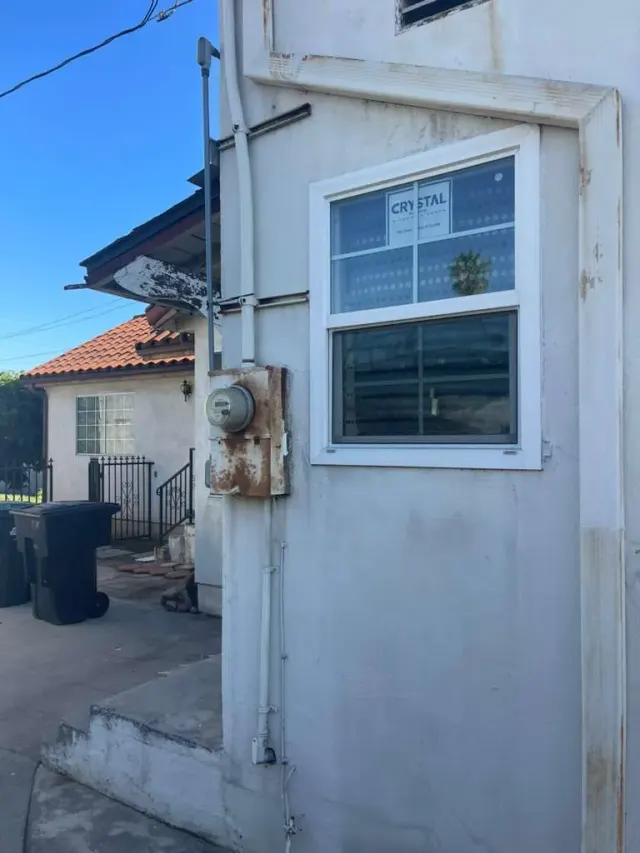
Inside the City of Los Angeles, building permits come from the Department of Building and Safety (LADBS). Simple projects on its Express Permit list are issued online through PermitLA without plan review; other work goes through plan check first. Burbank, Glendale, Pasadena, Lancaster and the other cities we serve each have their own building department.
LADBS divides construction into stages, such as foundation, framing, electrical, plumbing and heating and cooling work, and each stage has to be inspected and approved before it is covered up (LADBS homeowner guide). That is why a wall stays open until the inspector has seen the new wiring or pipes inside it.
One more thing worth knowing: California's 2025 Energy Code (Title 24, Part 6) applies to projects whose permit application is made on or after January 1, 2026, including the lighting you replace in a remodel (California Energy Commission).
What sets the price of a home renovation
- How many rooms, and whether the layout changes: moving a wall, a sink or a toilet adds framing and plumbing work and often a plan check.
- What is behind walls and floors: old wiring, worn pipes, rot or water damage found during demolition.
- Finishes: cabinets, countertops, tile, flooring and fixtures span a wide range.
- Code work the remodel brings with it: for example new lighting that has to meet the Energy Code.
- Permits and plan check fees set by the city.
The estimate is free. We offer senior, veteran, military and teacher discounts, and you can ask about financing through our financing partners.
Older homes: test before you open walls
The EPA notes that textured paint and patching compounds on walls and ceilings, and vinyl floor tiles, may contain asbestos, so material in an older house that will be cut or torn out should be tested first.
Demolition can also uncover water damage nobody saw: stained or soft wood, or mold behind a shower wall or under a sink. When that happens, mold remediation and the repair become part of the same job instead of a second contractor's visit.
Do popcorn ceilings need an asbestos test before a remodel?
Test it before the remodel scrapes, sands, cuts or tears it out, or the work has to treat it as asbestos. CSLB's asbestos guide says many buildings built or remodeled between 1945 and 1978 may contain asbestos in material sprayed or troweled onto the ceiling or walls, and unless a material is labeled, no one can tell just by looking. A house built in the 1960s falls inside that window. If the ceiling is in good condition and the work will not touch it, CSLB says it is best to leave it alone.
Why it is treated as asbestos until tested.
California's asbestos rule for construction work (Cal/OSHA, Title 8 section 1529), written for employers and building owners, presumes asbestos in surfacing material, meaning material sprayed or troweled onto surfaces such as acoustical plaster on ceilings, in buildings constructed no later than 1980, unless an inspection or testing rebuts it.
What a test that clears it involves.
When the presumption is rebutted by testing (the other route is an inspection under the federal AHERA rules), the rule requires the samples to be collected by an accredited inspector or a certified industrial hygienist and analyzed by a lab in a recognized proficiency program such as NVLAP. CSLB advises more than one sample; ask for the lab's written results before the ceiling work is scheduled.
Testing through us.
Asbestos testing with licensed and certified labs is part of our work, so a ceiling, wall or floor the remodel will open can be checked before demolition. Old insulation gets free asbestos testing too; see insulation.
What to check before you hire a remodeling contractor
Whoever you hire, these checks come from California's Contractors State License Board (CSLB, home improvement contracts):
Check the license
The CSLB license check shows whether a contractor's license is active and what it covers. Ours is License #1093329. Check the classification too: a B General Building contractor may take a framing or carpentry job, but a prime contract involving other trades must require at least two unrelated trades besides framing and carpentry, or the contractor must hold that trade's license or subcontract it to a licensed contractor; a job with a fire protection system or well drilling always needs that license or a licensed subcontractor (Business and Professions Code 7057).
Get every detail in writing
The contract should describe the products and the work in detail, include a payment schedule, say who gets the permits and give a completion date.
Watch the payments
The down payment cannot be more than $1,000 or 10 percent of the contract price, whichever is less, and payments should follow the work as it is completed, never run ahead of it.
Changes need a change order
A change to the price or the scope is written up and signed by both sides before the work changes.
Know your right to cancel
Unless the contract was signed at the contractor's place of business, you can cancel it within three days by giving the contractor written notice; homeowners 65 and older have five days.
Planning to add space rather than remodel it? See our ADU and room addition building.
Selected remodeling projects
What homeowners say
Read the full review →“We highly recommend Maingreen Remodel & Construction. We did a complete renovation on our home and thanks to Matthew and his team every idea we had came to life and we are truly enjoying the space.”
Read the full review →“We recently hired Maingreen construction &Remodeling to handle a full home renovation project, and the experience exceeded our expectations from start to finish.”
Read the full review →“The project involved remodeling the kitchen, updating two bathrooms, replacing flooring, and repainting the entire interior.”
Read the full review →“We recently finished a full home remodel and honestly it changed the way our whole house feels.”
Read the full review →“Maingreen Remodel & Construction handled a full reno for us, including new kitchen, laundry room and flooring. They finished everything on time and the quality of the work is nothing short from spectacular!”
Read the full review →“Living through a full remodel is usually a mess, but Matthew made it way easier than expected. He was always checking in, making sure nothing got missed, and you could tell he actually cared how it came out.”