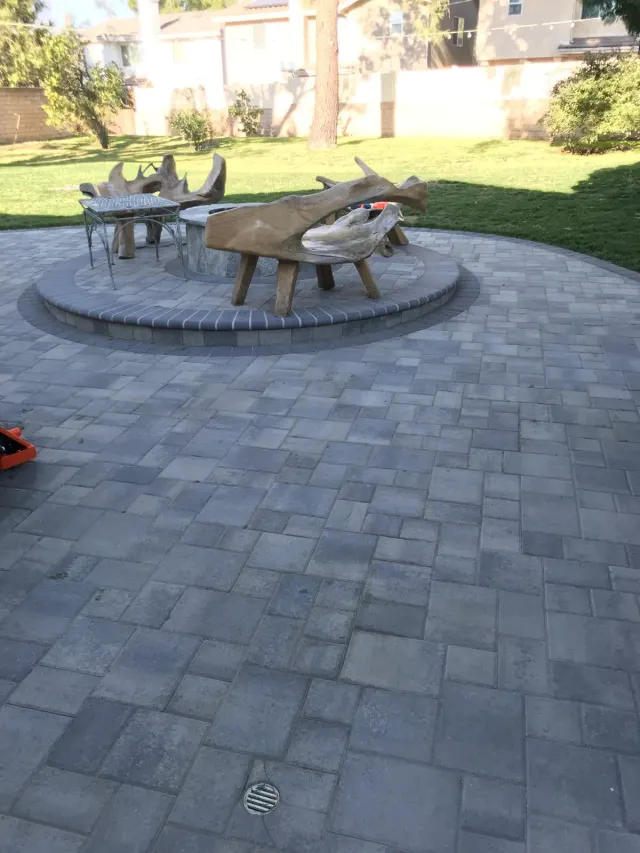
Concrete Pavers in Los Angeles
Maingreen Remodel & Construction installs concrete pavers in Los Angeles for patios, walkways and driveways. One of our designers draws your space in 2D or 3D, you choose the pavers and pattern with them, and our crews build it as a licensed and insured contractor (License #1093329).
OUR SERVICES WILL HELP YOU IMPROVE YOUR HOME’S EXTERIOR DESIGN. WE DO:
Concrete & Pavers
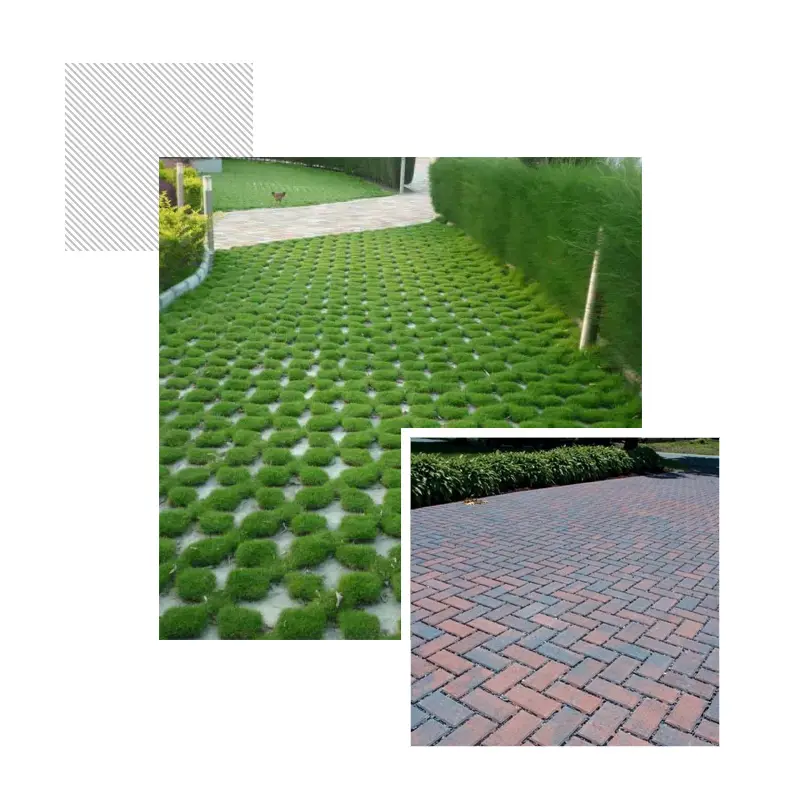
Concrete pavers (or paving stones) are a fantastic outdoor flooring option that can really upgrade and create a unique ambiance to your space. Pavers are manufactured in specific shapes, sizes and colors and they arrive to you, ready for installation. Pavers are most commonly installed over a base of compact soil and sand. Unlike tiles, concrete pavers do not require grout, so water is able to pass through.
Because pavers can shift over time, it is important that they are installed professionally. Our expert team of outdoor designers and installers will work together to make sure your space will be beautiful and easy to maintain for years to come.
How a paver patio or driveway is built
Pavers stay flat only as long as the layers under them stay put. The Concrete Masonry & Hardscapes Association (CMHA, which now includes the Interlocking Concrete Pavement Institute) calls compaction of the soil and the base critical to keeping a paver surface from settling. Its construction guide, Tech Note PAV-TEC-002, sets out the layers:
Layout and slope
The area is staked and graded so rain runs off. CMHA's minimum slope is 1.5%, about 3/16 inch per foot, planned so the water drains away from the house.
Dig out and compact the soil
Roots and soft ground come out, and the soil below is compacted to at least 98% of standard Proctor density, a lab measure of how tightly that soil can pack.
Gravel base, in layers
Crushed aggregate goes in 4 to 6 inch lifts, each run over with a plate compactor. Minimum depth after compaction: 4 inches under patios and walkways, 6 inches under a residential driveway, more on wet or weak soil.
Edge restraints
A concrete, plastic, steel or aluminum edge holds the outer row so the field cannot creep apart. CMHA treats it as a key part of the pavement, not a trim detail.
Sand, pavers, joints
About 1 inch of washed concrete sand is screeded flat (never stone dust or mortar sand), the pavers go down with 1/16 to 3/16 inch joints, and the surface is compacted again while joint sand is swept in until every joint is full.
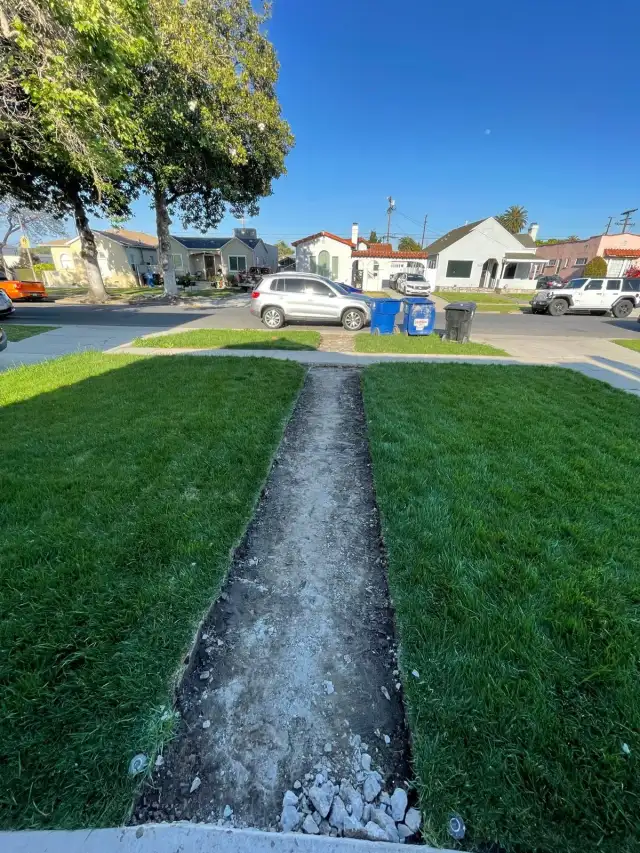
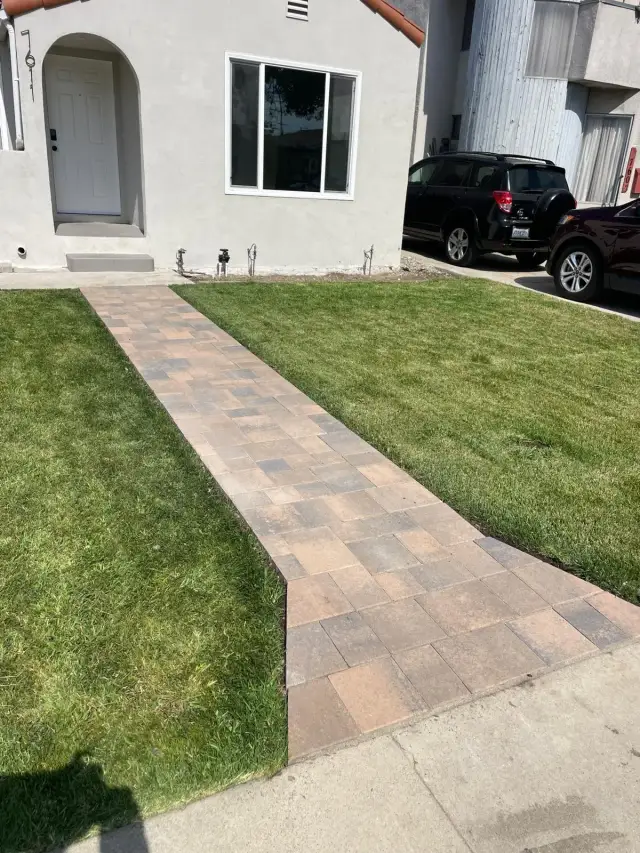
Comparing bids? Ask each contractor how deep the base will be, what it is made of, how it is compacted and what holds the edges. Two prices are only comparable when those four answers match.
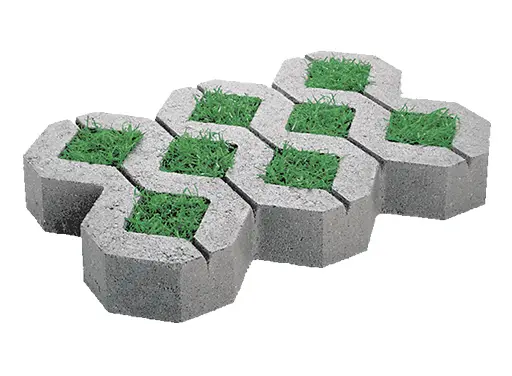
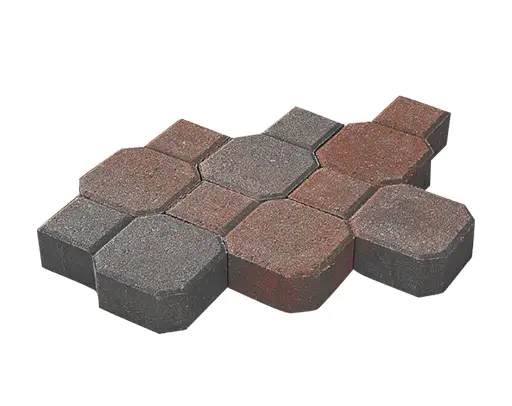

Outdoor concrete flooring: pavers, poured or stamped?
All three are concrete, and all three work outside in Los Angeles when the ground under them is prepared and the surface drains. The difference is how each one handles movement, and how it is repaired later.
Concrete pavers
Separate units made in a plant to a standard: ASTM C936 requires an average compressive strength of at least 8,000 psi and water absorption of no more than 5%. The joints let the surface flex with small ground movement, and one stained or broken paver can be lifted out and replaced without a patch.
Poured concrete
One slab, placed and finished on site, often with a broom finish outside. Concrete shrinks as it cures and dries, so cracks are planned with joints: the NRMCA guide puts them no farther apart than 24 to 36 times the slab thickness, about 10 feet for a 4 inch slab, with panels close to square.
Stamped concrete
A poured slab with color added and a stone or brick pattern pressed into the surface while it is still workable. It looks like separate pieces but behaves like one slab: it needs the same joints, and a crack runs across the pattern. Ask what sealer is used and how often it is renewed.
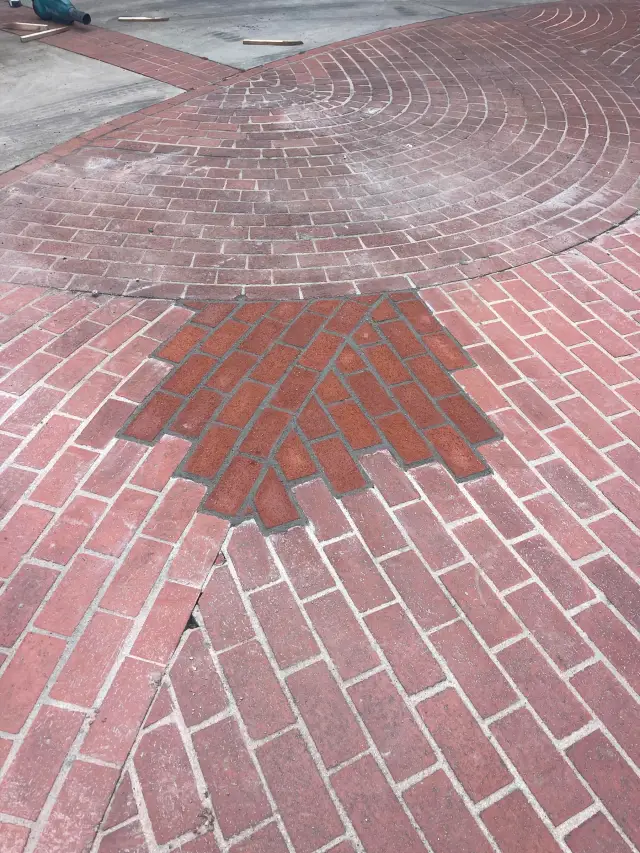
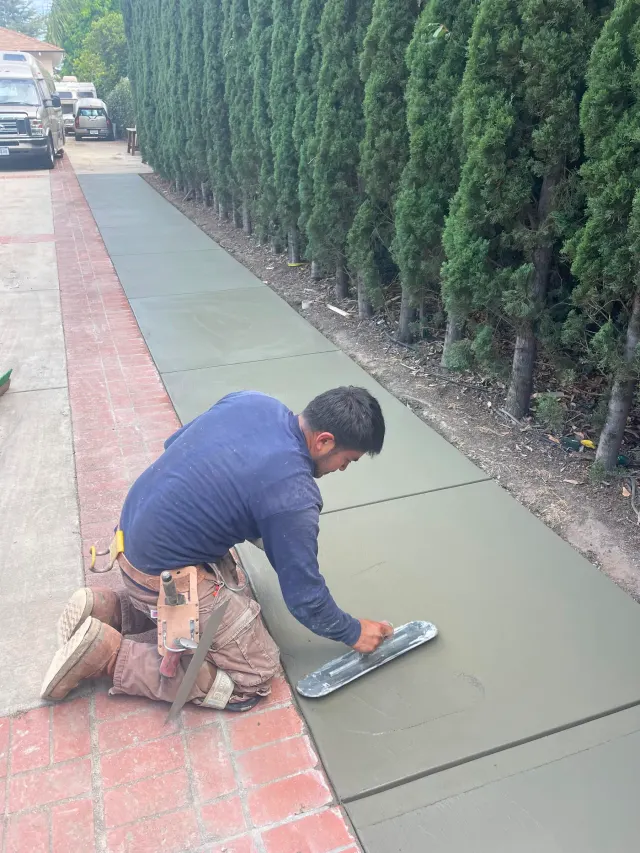
A simple way to decide: if the area may have to be opened later (a utility line, a tree root, a sprinkler repair), pavers come up and go back down. If one even, plain surface matters most, poured concrete gives you that in a single pour.
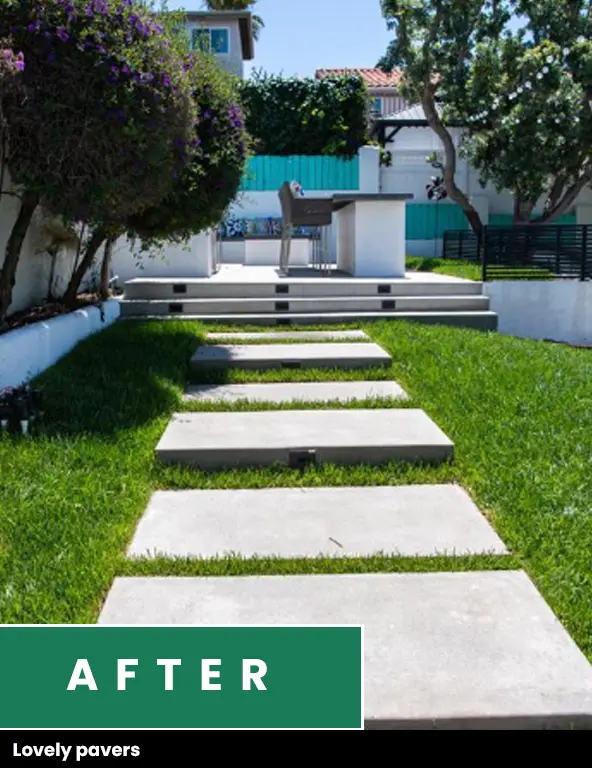
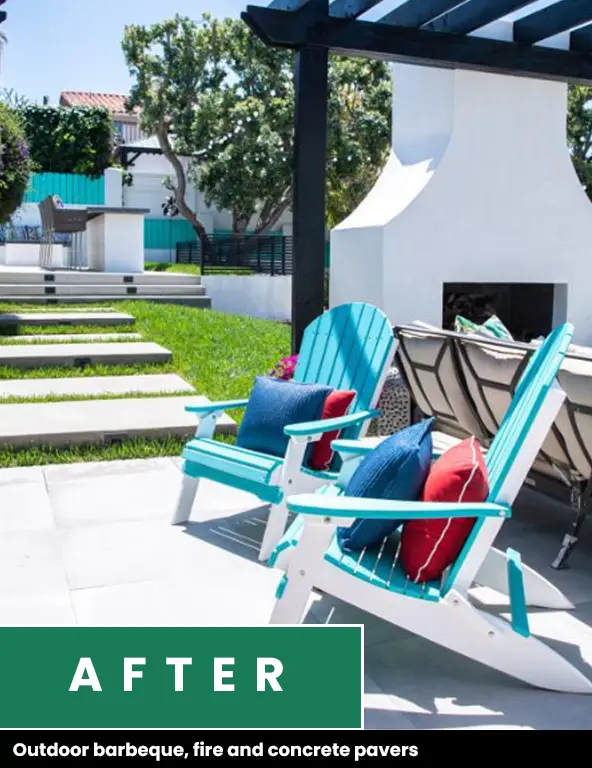
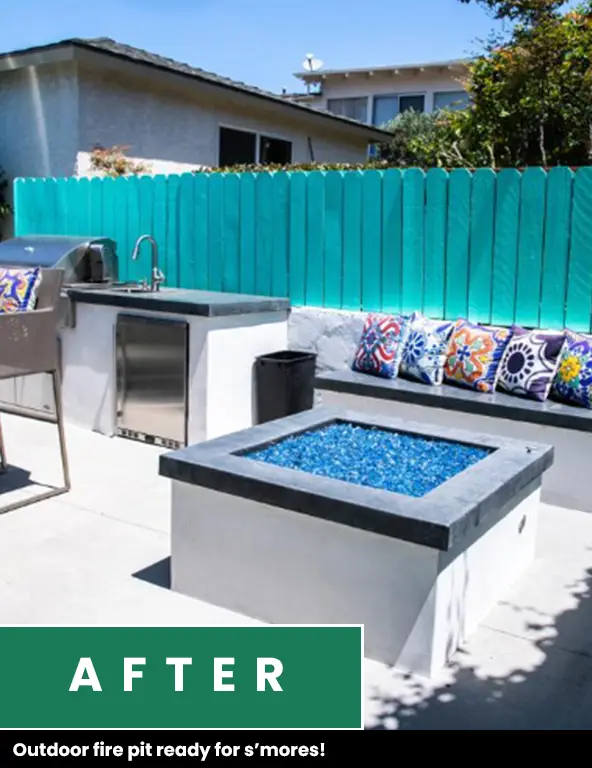
Our designs combine the natural environment
Of your home with your unique vision and desire for a long-lasting, beautiful space.
Drainage: where the water goes
A regular paver patio sheds most rain across its surface. Some water seeps through the sand joints, but CMHA's cleaning and sealing guide puts the surface at roughly 10 to 20 percent pervious, and less as the joints fill with fine dirt over the years.
So the slope does the work. Decide where the runoff ends up (a planting bed, a drain, the street) before the first stake goes in, and keep it from collecting against the house. If you already see cracks in the walls or doors that stick, read our foundation repair page before you pave next to the house.
Permeable pavers for California yards
Permeable interlocking concrete pavement is built to let the rain in. In CMHA's tech note on it, the joints are wider and filled with small crushed stone instead of sand, the pavers sit on a 2 inch bedding layer of similar small crushed stone, and an open-graded stone base below holds the water while it soaks into the soil. CMHA lists residential patios, walks and driveways among its uses. Before you choose it:
- Slope: the surface should be under 12% and is typically 5% or less.
- The house: the permeable pavement should sit downslope from the foundation, and the footings should have piped drainage.
- Clay soil: where the ground drains slowly, perforated pipes in the base carry the extra water away.
- Upkeep: the stone joints collect sediment, and a clogged surface can be restored with vacuum equipment.
Converting a lawn with the LADWP rebate? The rebate has its own rules for the converted area: the program's fact sheet says only permeable hardscapes such as mulch and decomposed granite are permitted there. Check with the program before any pavers go inside the area you claim, and see how the rebate works on our landscaping in Los Angeles page.
We create gorgeous 3D designs for your outdoor space
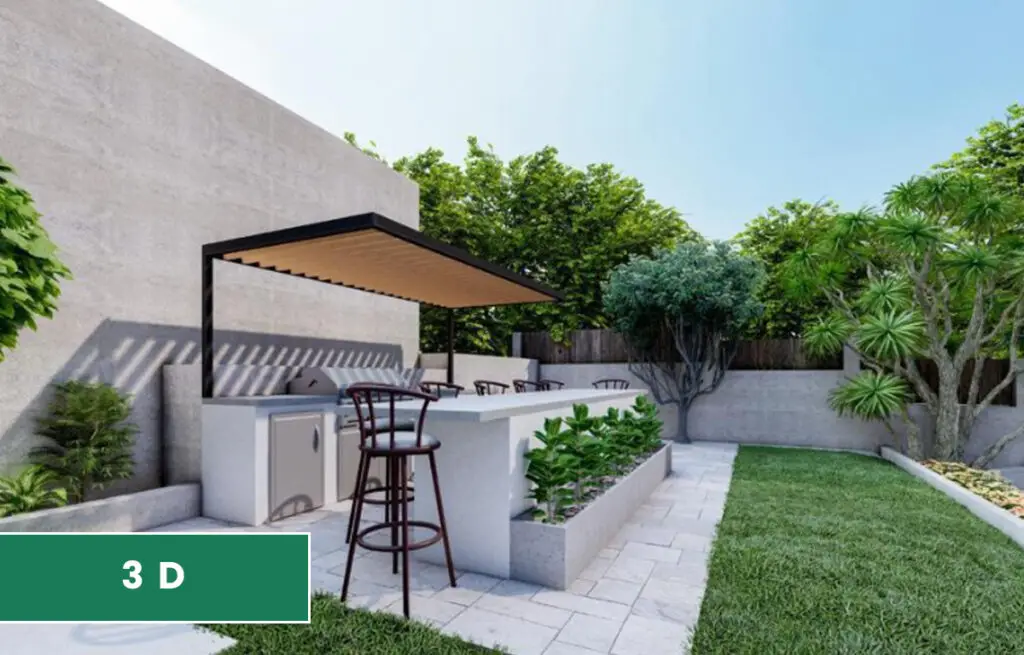
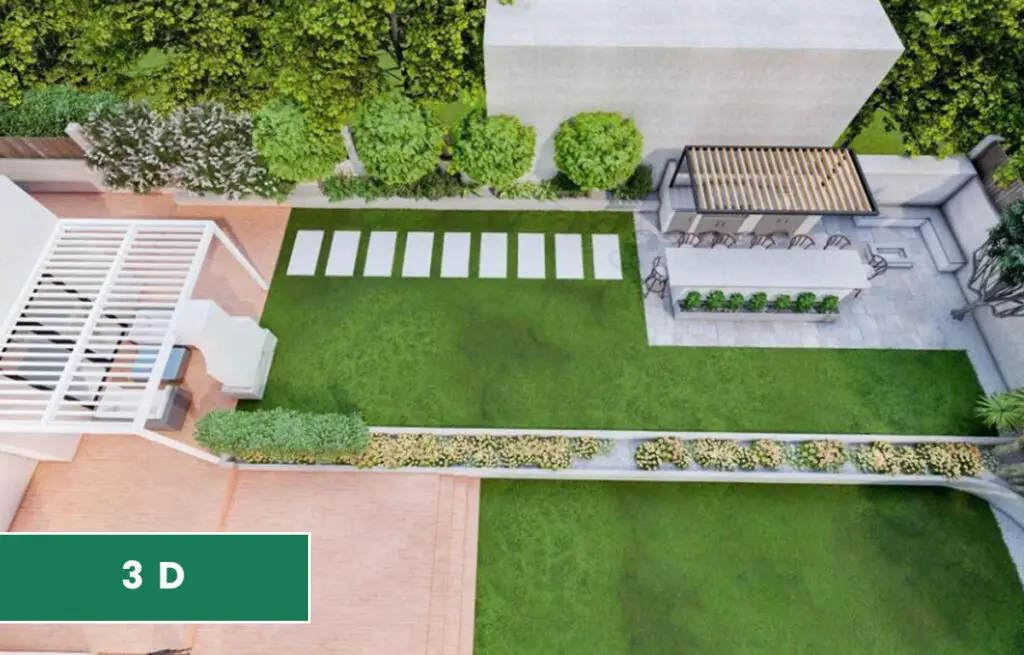
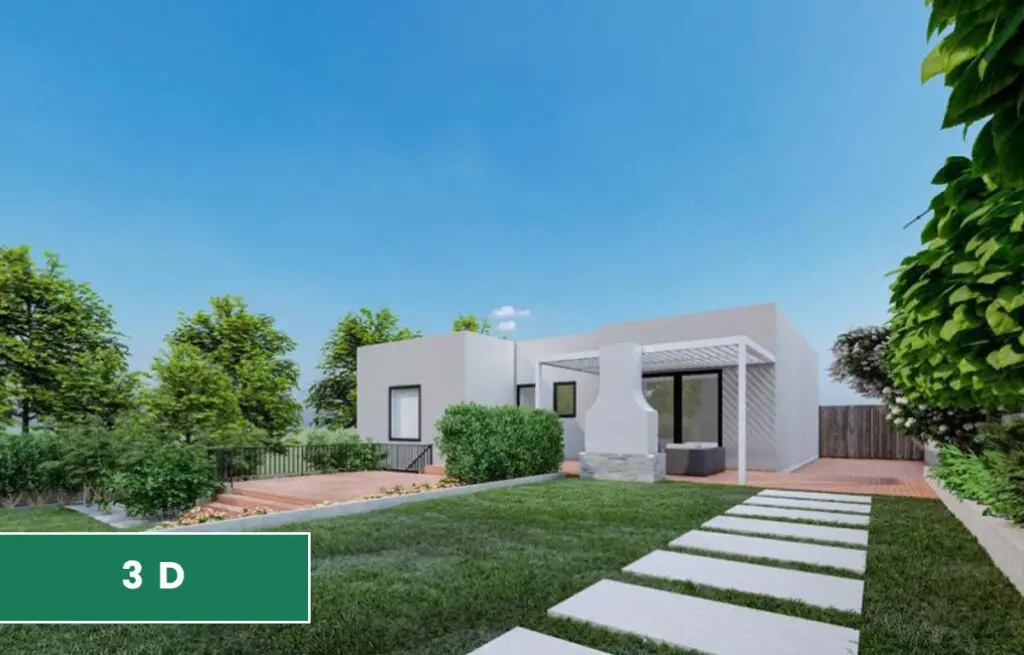
Check Out Some Of Our Latest Projects
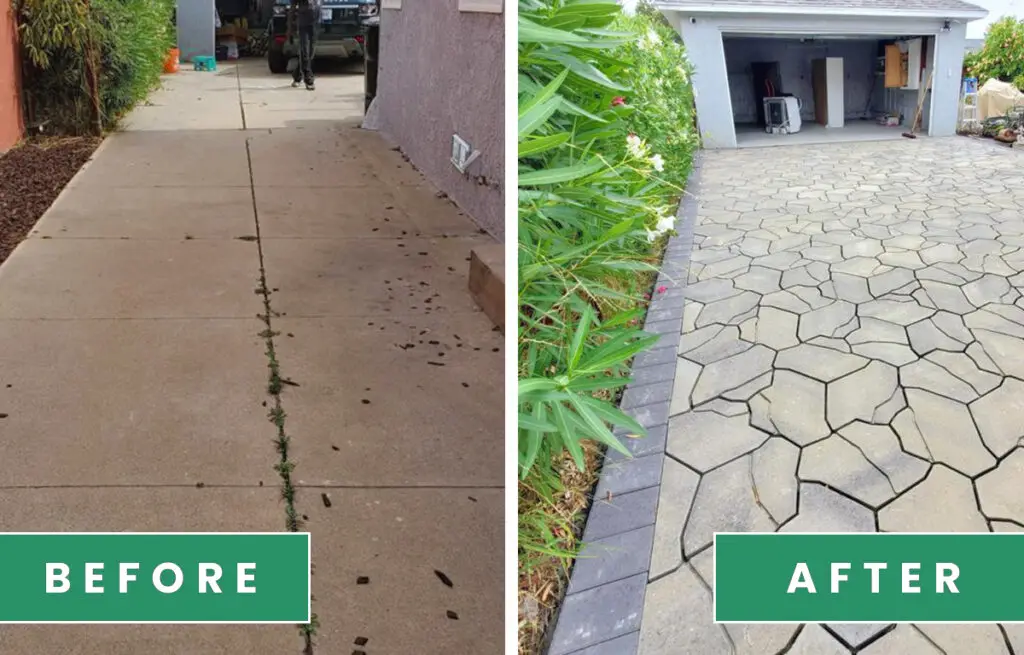
Elegant Concrete Pavers
Excellent Material for your Outdoor Paving Projects
There are a lot of benefits to choosing concrete pavers for your outdoor space, besides the fact that they are incredibly aesthetically pleasing:

Stronger than poured concrete
Did you know that individual paving stones are stronger than poured concrete, while being less taxing on the natural environment?

Variety of shapes
Depending on your style and preference and the aesthetics of your outdoor space, we can choose the shape that works best.

Can be replaced individually
If a paver ever gets cracked (which is actually very rare), you can easily and cheaply have it replaced.

Better traction
Concrete pavers provide excellent traction that can help prevent slips and falls.
Do pavers need sealing?
No, sealing is optional. CMHA's guide says a sealer adds no strength to the pavement: it deepens the color, resists stains and oil, and helps hold the joint sand. A joint sand stabilizer does the main job of keeping sand in the joints against water, wind and cleaning. What upkeep looks like:
- A white haze in the first months is efflorescence, a natural deposit from the cement. It can peak as soon as 60 days after installation and often wears away; a cleaner made for pavers removes it.
- Before any sealer, stains and haze are cleaned off and the surface stays dry for at least 24 hours.
- Reseal when it wears. How often depends on use, weather and the sealer itself.
- A paver that sinks or cracks is lifted out, the bed under it is fixed, and it is reset or replaced.
What sets the price of concrete pavers
These are the things that move the price of a paver job, so you can compare estimates on the same terms:
Area and layout
The square footage, plus curves, steps and borders that mean more cut pieces.
Patio or driveway
A driveway needs a deeper base than a patio or walkway: 6 inches against 4 at CMHA's minimum on well-drained soil.
What comes out first
Breaking out old concrete or lawn and hauling it away, and soft or wet soil that needs a deeper base or a drain pipe.
Paver and pattern
The paver line, color blend and laying pattern. A permeable system adds its deeper stone base.
Access
Whether equipment can reach the yard, or base and pavers go in by hand.
What is built with it
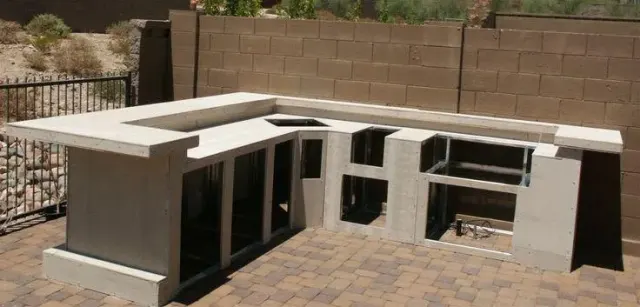
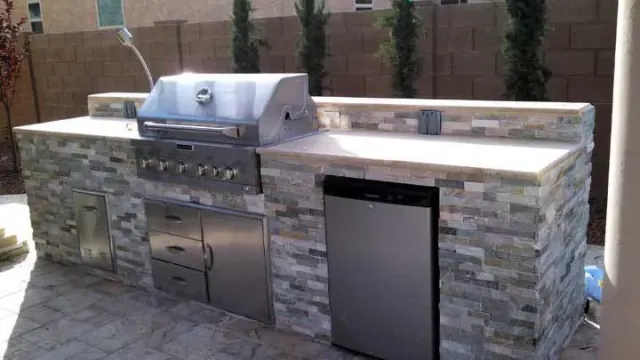
Steps, walls, lighting, a barbecue island or a fire pit in the same job, or paving as part of a larger home remodel.
The estimate is free, and we never start construction until you approve of the design; the steps from your call to the finished space are right below. Ask about our financing partners when you call.
How does it work?
The Maingreen Remodel & Construction Concrete Pavers
Step 1 – Within 24-48 hours of your call, one of our team members will visit your home to scope out your space and help you decide how you want your space to work.
Step 2 – Depending on your needs and aesthetics, we choose one of our designers to create a 2D or 3D rendering of your space. You work with them to choose details and materials that match your aesthetic.
Step 3 – Our crews get to work right away.
Step 4 – The work is completed on time and on budget.
Step 5 – You get to enjoy your new outdoor space!
Selected outdoor projects
What homeowners say
Read the full review →“Maingreen remodeling and construction did a fantastic job on our new driveway. The team was friendly, on time, and super professional. The quality of the work really shows, and we’ve already had neighbors compliment it.”
Read the full review →“I’m a very pleased with the pavers work Maingreen Company did in the backyard. Outstanding project quality & professionalism by the entire team.”
Read the full review →“Maingreen are outstanding company ,they done my back yard remodeling,perfect concrete driveway ,turf and pergola we are so happy to work with maingreen and definitely giving our 5 stars for maingreen and Matthew team !”
Read the full review →“Our driveway wasn’t keeping up with the “Jones’s” either was our backyard.”
Rest Assured. Working with us is a GREAT decision.
With hundreds of happy customers, we know you will be satisfied with our work, our friendliness and our attention to detail. We are dedicated to making your dream home remodel a positive experience.

FREE CONSULTATIONS
We offer free energy efficient consultations with one of our certified experts. We come to you at your earliest convenience.

HONESTY
We value honesty in life and business.

LICENSED
Maingreen Remodel & Construction is licensed and insured.

PROTECTION
With rising energy costs, we can help you protect your spending and increase the value of your home.

TRANSPARENCY
We work with you every step of the way. We provide clear outlines on the scope of work necessary to meet your dream.