Electrician in Los Angeles for Energy-Efficient Upgrades
Maingreen Remodel & Construction is an electrician in Los Angeles for energy-efficient upgrades: updating older home electrical systems, efficient lighting and the eco-friendly technologies that cut wasted energy, starting with a free in-home consultation.
OUR SERVICES WILL UPGRADE YOUR HOME AND:
Energy Efficient Electric
What is Energy Efficient Electric?
Energy efficiency means using less energy to produce the same output, and in the process, saving you money on your bills and helping the environment by reducing pollution.
Many homes and products these days are using much more energy than they need to, simply because they have not updated their base electric system for several years. In the long run, this is costing them time, hassle and money.
When you update your electric with Maingreen Remodel & Construction, we will install the latest, eco-friendly technologies to boost your efficiency and reduce waste. Think of all the items in your home that use energy: light bulbs, appliances, air conditioning, water heaters, electronics, and more.
You deserve to feel good about how you live on a daily basis.

Longer Lifespan
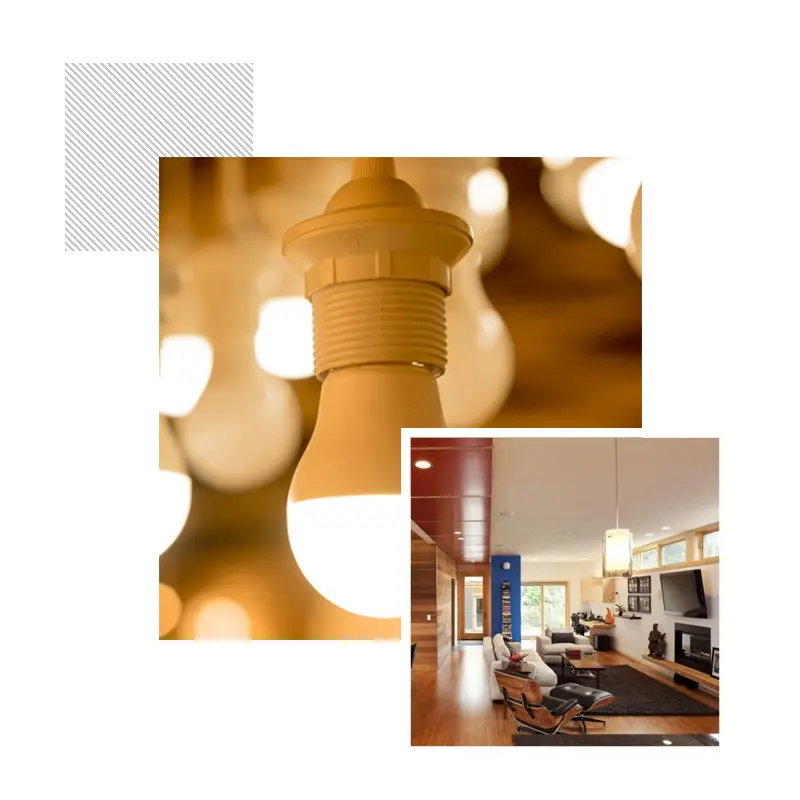
An energy efficient bulb uses up to 80% less energy than a traditional bulb, while providing the same level of light.

Energy-saving
Energy efficient bulbs save you time and money, AND help the environment as well.

Non-Toxic
We value your health and wellbeing and therefore work with non-toxic materials.

Available in Different Variants
We provide a wide range of styles and sizes to choose from. Our expert designers will make sure that the bulbs match the overall style and vibe of your home.
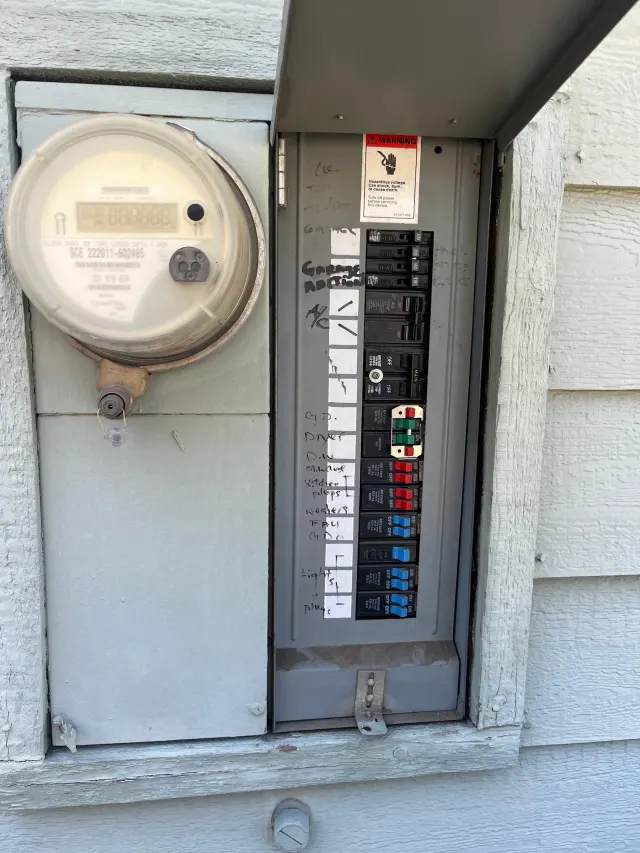
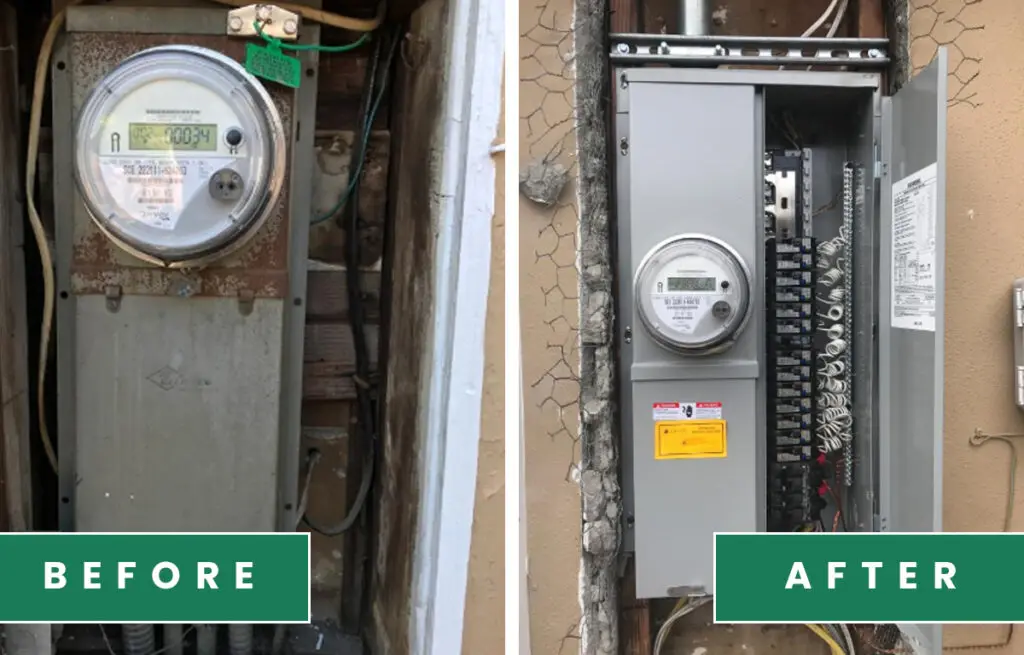
Electrical panel upgrade in Los Angeles: does your home need one?
Not always. A heat pump, an induction range, a heat pump water heater or a Level 2 EV charger each adds load, and what matters is whether your panel has the capacity and the space for it. ENERGY STAR's electric-ready guidance notes that most newer homes have a 200-amp panel, which is enough to add new electric appliances, and gives two checks you can make at the main panel yourself:
Read the main breaker
It sits at the top or bottom of the panel and is marked with the amps the panel receives. The higher the number, the more capacity the house has.
Look for empty slots
Empty breaker spaces are where new circuits go. Several free spaces leave room for new appliances; very few or none means the panel is already full.
An upgrade may be needed
A 65, 100 or 125 amp main breaker with very few or no empty slots.
An upgrade may not be needed
A 200 or 225 amp main breaker with several empty slots. You may still need new 240-volt outlets where the heat pump, water heater, range, dryer or EV charger will go.
Before paying for a bigger panel
ENERGY STAR describes two ways an electrician can sometimes free room in the existing panel: moving a lightly used circuit (one added for a small project, for example) onto another existing circuit, and in some cases replacing double-pole breakers with single-pole ones. It also notes that a home that already has central air conditioning should not need an electrical upgrade to switch to a heat pump. When a bigger panel is needed, the utility may also have to upgrade the service lines to the house, which adds cost and time.
Have your list of planned upgrades ready for the free in-home consultation, when our experts assess your home's current electrical situation.
Source: ENERGY STAR, Make Your Home Electric Ready.
Energy Efficient Electric
How does it work?
The Maingreen Remodel & Construction Energy Efficient Electric Service
Step 1 – You call us to set an appointment for your free in-home consultation.
Step 2 – We schedule a time that works for YOU.
Step 3 – Our experts visit your home and make a professional assessment of your home’s current electrical situation. Before they leave, you will receive an estimate of what is required to update your energy efficiency and save you money in the long run.
Step 4 – Our team of licensed professionals begin the work. We stay in close contact with you throughout the job. You feel great while your home is receiving this eco-friendly makeover!
Step 5 – You feel amazing in your newly lighted home.
Heat pumps, EV chargers and induction: what each one needs
These are the electric upgrades that most often raise the panel question. Here is what ENERGY STAR and the U.S. Department of Energy advise for planning each one.
Heat pump for heating and cooling
A heat pump moves heat instead of burning fuel, so it can deliver up to three times more heat energy than the electricity it uses, and it cools the house in summer. In most homes a ducted heat pump can replace a central air conditioner or a furnace on the existing ducts. Ask the contractor for a Manual J load calculation so the unit is sized to the house; more on our HVAC page.
Heat pump water heater
It needs an indoor spot that stays between 40 and 90°F all year, with about 1,000 cubic feet of air around it, and it cools the room it sits in. Plan it before the old heater fails: the right model may have to be ordered, and the install can take longer than a standard water heater.
EV charger
Level 1 plugs into a standard 120-volt outlet and adds about 2 to 5 miles of range per hour of charging, which ENERGY STAR suggests for drivers under about 40 miles a day or a plug-in hybrid. Level 2 runs on 240 volts, needs a heavy-duty circuit like an electric dryer's and professional installation, and adds about 10 to 20 miles per hour. The electrical code treats EV charging as a continuous load, and permits may be required.
Induction cooktop
About 85% of the heat energy goes into what is in the pan, against about a third with gas, and less heat spills into the kitchen. Check your pots with a fridge magnet: if it sticks, they work on induction. Remodeling the kitchen? Plan the range circuit together with the new layout (see kitchen remodeling).
Sources: ENERGY STAR, Air-Source Heat Pumps, Heat Pump Water Heaters, Electric Vehicle Chargers and Electric Cooking Products; U.S. Department of Energy, Charging Electric Vehicles at Home.
Selected electrical projects
What homeowners say
Read the full review →“Maingreen is highly recommended, did professional work, quick, and hassle free service. Worked on Electrical panel, repipe, and brand new sliding door. Search them up and give them a call.”
Read the full review →“Matthew and the crew was amazing ,fast response, gave us the best service, amazing job they done the electrical the hvac,lights throw out the house attic ,insulation so happy with they service highly recommended!”
Read the full review →“Maingreen is very Professional and did a great job on our lighting remodel. Very clean and bright.”
Rest Assured. Working with us is a GREAT decision.
With hundreds of happy customers, we know you will be satisfied with our work, our friendliness and our attention to detail. We are dedicated to making your dream home remodel a positive experience.

FREE CONSULTATIONS
We offer free energy efficient consultations with one of our certified experts. We come to you at your earliest convenience.

HONESTY
We value honesty in life and business.

LICENSED
Maingreen Remodel & Construction is licensed and insured.

PROTECTION
With rising energy costs, we can help you protect your spending and increase the value of your home.

TRANSPARENCY
We work with you every step of the way. We provide clear outlines on the scope of work necessary to meet your dream.
Energy-efficient remodeling under California's Title 24
California's Energy Code (Title 24, Part 6) sets the rules for new lighting and new circuits. Projects whose permit applications are filed on or after January 1, 2026 follow the 2025 edition, according to the California Energy Commission. In a remodel, any lighting you change has to meet the same residential lighting rules as a new home (Section 150.2(b)1K):
Certified efficient fixtures
Apart from a few listed exceptions (night lights, lights built into range hoods and fans, outdoor LED), installed luminaires and light sources must be certified to the state's JA8 high-efficacy standard. New recessed ceiling lights cannot have screw-in bulb sockets, and in an insulated ceiling they must be labeled airtight and sealed to the ceiling. An existing recessed can may keep its socket if a JA8-compliant trim kit or lamp goes in.
Sensors where lights get left on
In bathrooms, garages, laundry rooms, utility rooms and walk-in closets, at least one light must be on an occupancy or vacancy sensor that turns it off automatically.
Dimmers and separate switches
Lighting in living rooms, dining rooms, kitchens and bedrooms needs a wall-mounted dimmer, with a few exceptions such as very low-wattage circuits. Under-cabinet lights switch separately from the ceiling lights, and the light in an exhaust fan separately from the fan.
Recessed lights and attic insulation
ENERGY STAR advises IC-rated (insulation contact) fixtures where insulation will touch them; fixtures without that rating usually need at least 3 inches of clearance. Under an unconditioned attic, an AT (airtight) rating stops heated or cooled air from leaking into the attic. See also attic insulation.
New homes are built electric-ready
In a newly built home with a gas furnace, gas cooktop or gas dryer, the 2025 code requires a dedicated 240-volt circuit within 3 feet of each appliance (rated at least 30 amps for the furnace and the dryer, 50 amps for the cooktop), a blank cover marked "240V ready", and a space in the main panel marked "For Future 240V use".
A new home with more than 125-amp service also gets battery-ready wiring and a main panel with at least a 225-amp busbar. These four rules are for new construction; additions and alterations follow their own sections of the code, which is why the panel check above is the place to start in an existing house.
Planning lighting or circuits as part of a home remodel? We apply for all the permits your home improvement project requires well before construction.
Sources: California Energy Commission, 2025 Building Energy Efficiency Standards, Sections 150.0(k), 150.0(s) to (v) and 150.2; ENERGY STAR, Light Fixtures (Downlights).